

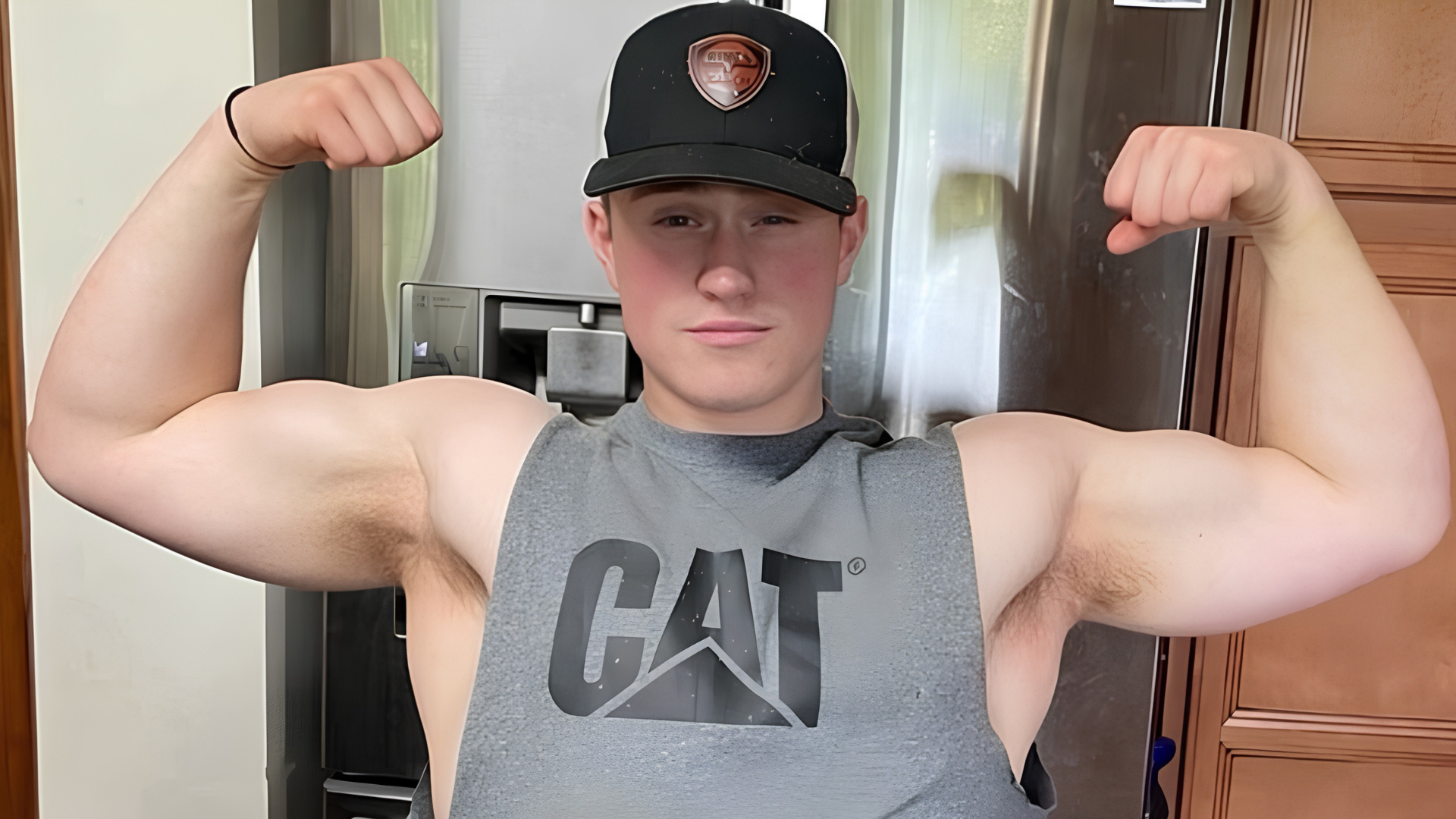
Good Samaritan Regional Medical Center and two emergency department physicians are facing a $100 million lawsuit after an 18-year-old logger died from a rapidly spreading infection that family attorneys say stemmed from a series of preventable medical errors — beginning with a puncture wound that was stitched shut before pine needles and moss were removed from inside it.
Ethan Cantrell of Alsea died on August 20, 2024, five days after arriving at emergency room with an injury to his arm he sustained while cutting wood near his home. He was 18 years old.
What Went Wrong
According to the lawsuit, the emergency physician viewed Cantrell’s injury as a laceration and then irrigated the wound, sutured it tightly, and discharged him with a single antibiotic — without ordering CT scans or apparently considering the possibility that organic debris remained inside the wound. The suit argues the injury was in fact a deep puncture wound, and not a laceration. It also argues that tightly closing a deep puncture wound is contraindicated when foreign material may be present, as it traps bacteria and prevents drainage.
When Cantrell’s mother called the hospital that evening to report her son had developed a 102.5-degree fever, swelling, and pain, the suit alleges a nurse reviewed his chart without consulting a physician and told her not to worry – suggesting the fever was likely COVID-19. A home test came back negative.
“That delay is crucial when we’re talking about an infection like this,” said Brent Barton, the attorney representing Cantrell’s estate told The Oregonian.
Two days after the initial visit, a second physician reopened the wound and found twelve pieces of organic plant matter – twigs, pine needles, and moss – still lodged inside. Lab cultures confirmed the presence of enterococcus faecalis, a fast-spreading bacterial infection. By that point, Cantrell’s arm had swollen to two to three times its normal size.
It was not until the fourth day after his injury that hospital staff determined he required a higher level of care. He was airlifted to Oregon Health & Science University in Portland, where surgeons amputated his arm and shoulder. He died the following morning.
The Lawsuit
The suit, filed on behalf of Cantrell’s estate by attorney Brent Barton, names two emergency physicians, their professional group Mary’s Peak Emergency Physicians, and Good Samaritan Regional Medical Center as defendants. It alleges the hospital failed to order CT scans that could have detected the debris, failed to prescribe a broader antibiotic regimen from the outset, and failed to escalate care in a timely manner.
“It’s just a sad, sad case,” Barton said.
The named physicians have not responded to requests for comment, Samaritan issued a release.
“Our sympathies are with all who have been impacted by this loss,” said Tyler Jacobsen, vice president and chief legal officer of Samaritan Health Services, in a written statement for media. “We take all concerns about patient care seriously, and we will respond through the appropriate legal process.”
Who Cantrell Was
Cantrell had graduated from Alsea High School just months before his death. He was the fifth generation of his family to work as a logger, had recently proposed to his high school sweetheart, and was known as a standout athlete and powerlifter. His friends and family called him “Big E.”
His obituary in the Philomath News noted that while his hands were strong, “his heart was as strong as his hands.”
To contact Chris Evenson about this story, email office@corvallisadvocate.com
Do you have a story for The Advocate? Email editor@corvallisadvocate.com