

 As we have been reporting, the Bureau of Land Management is seeking to eliminate old growth and wildlife protections across nearly 2 million acres of public lands. Clearcutting is part of that plan. Mary’s Peak and Alsea Falls are among the areas that would be impacted.
The Trump administration’s idea is to facilitate “maximum” logging capacity, to return to historic logging volumes. All of this is in the administration’s notice of proposed revisions for management plans that encompass Western Oregon Bureau of Land Management, or BLM forests.
Besides our local natural treasures, other notable sites include parts of the Sandy River and North Fork Clackamas, the Valley of the Giants, the Upper Molalla River, and Crabtree Valley.
Corvallis City Council and the Benton County Board of Commissioners Taking a Stand
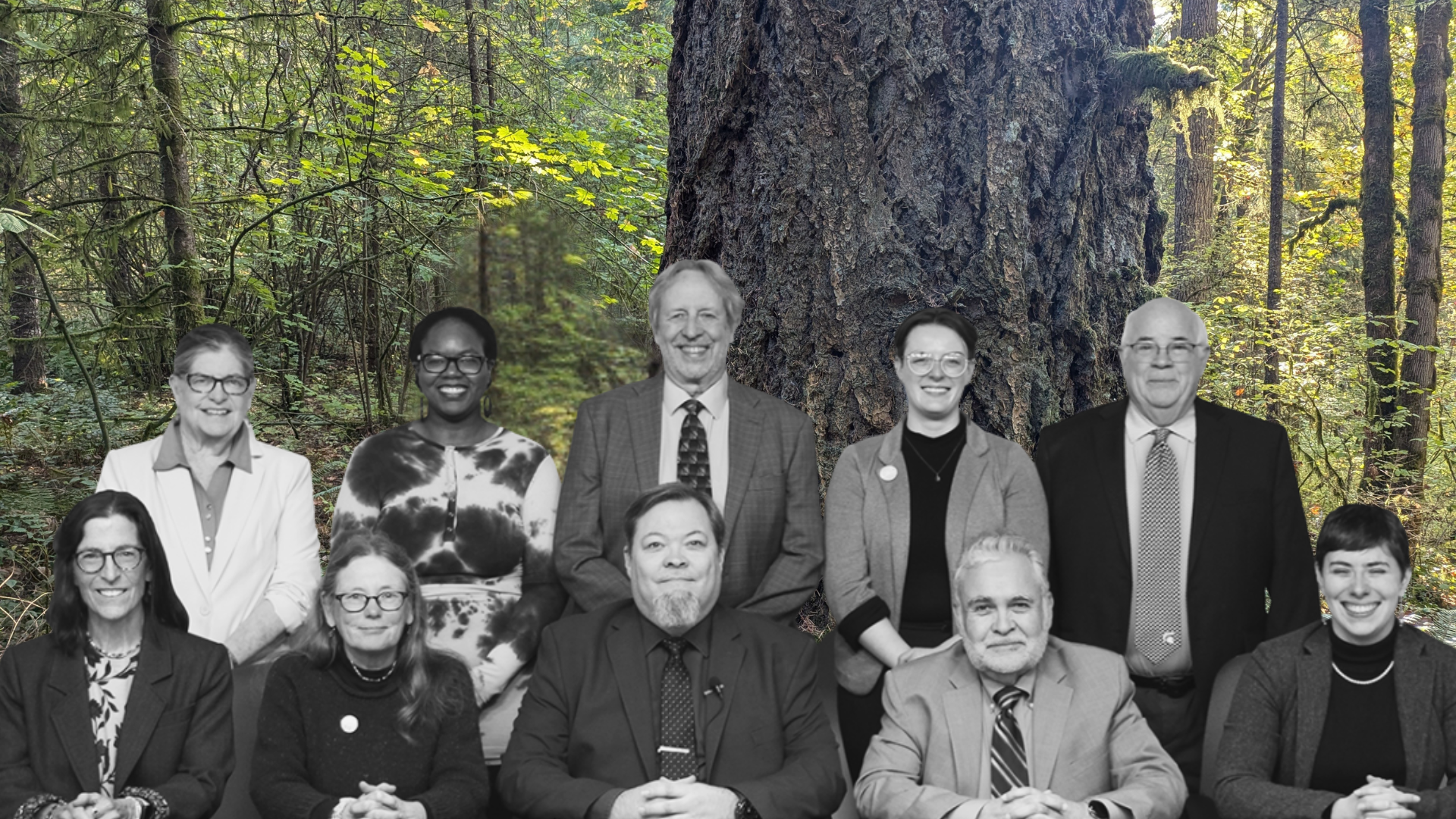
On Monday, March 16, the Corvallis City Council voted to send the Trump administration a formal objection to the plan. The draft objection was proposed by Ward 3 City Councilor Jim Moorefield and approved unanimously by the full Council.
The Benton County Board of Commissioners also voted to object at their Tuesday, March 3 meeting.
You can also file an objection
Individuals and organizations can also file objections, the deadline to file is Monday, March 23. This newspaper is on record asking our readers to file. If you would like to object, you can submit a public comment here or email: BLM_OR_Revision_Scoping@blm.gov.
Like we have said before, this is not about politics. Folks of every political stripe love these natural areas and rely on them. Whatever we may all think of the current administration, they do sometimes buckle when public sentiment reaches a boiling point. This is a White House that keeps an eye on their favorability ratings.
The folks at Oregon Wild believe, and we agree, that we must all push back to prevent the destruction of these BLM forests and wildlife habitats. The results of the administration’s plan could be increased fire hazards, and the scarring of the hillsides that surround Oregon’s rural communities.
Text from the Corvallis City Council Objection
Re: Proposed revision of the Northwestern and Coastal Oregon Resource Management Plan and Southwestern Oregon Resource Management Plan
On Monday, March 16th, 2026 the Corvallis City Council voted unanimously to oppose the proposed Resource Management Plan (RMP) revisions impacting 2.5 million acres of public lands across 17 Oregon counties. The BLM’s Notice of Intent says the purpose of the revision is “…to seek an increase in sustained yield of timber harvest that aligns with the historically higher levels of production on BLM-administered public lands…”
The problem is that the “historically higher levels of production” were never sustainable. Instead, by prioritizing timber harvests over other important values we experienced the degradation of waterways, wildlife habitat, and recreational opportunities; the loss of critical migratory fish runs; and the clear cutting of some of our last remaining old growth forests. The BLM eventually adopted a more balanced approach. Undoing this progress would be a tragic mistake.
Our specific concerns over the proposed RMP revisions include the following:
Alsea Falls, Marys Peak Outstanding Natural Area, and Valley of the Giants (among others) are unique, irreplaceable, beautiful and among the special places that make Oregon the place we’re proud to call home. Places like this are why tourists want to visit Oregon.
The rivers born from these lands provide drinking water and support fisheries still struggling to recover from decades of decimation. We know (as does the BLM) that large increases in logging and clear-cutting and a reduction in buffers between logging operations and streams will reverse this progress. The physical and economic well-being of our citizens depends on clean water. Coastal fisheries depend on healthy populations of migratory fish that begin in our rivers.
We understand the importance of timber production to our economy and support the wise use of these resources. However, the proposed RMP revisions only offers a choice between no change and a return to practices that maximize logging. This is a false choice. Here in Corvallis, Oregon State University continues to be a leader in lands management and the development of innovative forest products, and OSU continues to demonstrate that economic benefits from our forests can be compatible with a balanced approach to economic and environmental sustainability.
The proposed RMP claims that heavily logged forests will prevent wildfires. Research at OSU has identified many factors that work to increase or decrease wildfire risk. We have no expertise in this matter, but we do offer some common sense: when many factors are at work, relying on one (questionable) strategy to the exclusion of all others won’t work.
Thank you for your careful consideration of our comments.
Text from the Benton County Board of Commissioners Objection
Re: Opposition to Allow Clearcutting at Marys Peak and Alsea Falls, Oregon
Dear Ms. Burghard:
The Board of Commissioners writes to express our strong opposition to the proposed revision of the Resource Management Plans for Northwestern and Coastal Oregon that would allow clearcutting on Marys Peak and Alsea Falls in Benton County, Oregon. Marys Peak and Alsea Falls are treasured natural areas and enjoyed by thousands of residents and visitors each year.
Old-growth forests are among the most ecologically valuable and limited landscapes remaining in our region. These forests provide irreplaceable wildlife habitat, safeguard drinking water sources, support salmon recovery, and sustain recreation economies that are central to our community’s quality of life.
The proposed revisions to expand clearcutting practices would significantly jeopardize the ecological and long-term watershed health of both sites and surrounding natural areas by reducing stream buffers, eliminating old-growth reserves, and raising serious concerns about wildfire resilience, biodiversity loss, and climate impacts. Mature forests cannot be replaced within a human lifetime. Once removed, their ecological functions, including carbon storage, temperature regulation and structural habitat complexity, are lost for generations.
Public lands must be managed for sustained yield and multiple use. A strategy that prioritizes maximum timber extraction at the expense of conservation, recreation, and watershed protection does not reflect the balanced approach that Oregonians expect from federal land stewardship.
Benton County urges federal decision-makers to retain meaningful protections for mature and old-growth forests to ensure that any revisions to management plans are grounded in sound science, long-term community benefit, and responsible public lands policy.
We appreciate the opportunity to submit our opposition to the proposal, and please do not hesitate to contact us if you require any further information or assistance. Thank you for your consideration.
Sincerely, BENTON COUNTY BOARD OF COMMISSIONERS
By Hallie Greenberg. Steven J. Schultz contributed to this story.
Do you have a story for The Advocate? Email editor@corvallisadvocate.com