

 Budgets and tax codes are moral documents; Corvallis finds itself at a crossroads
There is a projected deficit, officials are looking to raise new revenues – they’ve scheduled town halls that begin tonight about all of it. But also, last night they took a step back, with the Corvallis City Council passing a resolution that that read in part, “Absent a well-executed public engagement effort on the budget gap and facility improvement funding, NO vote will be taken by the current Council regarding any potential new taxes, including but specifically not limited to a payroll tax or personal income tax.”
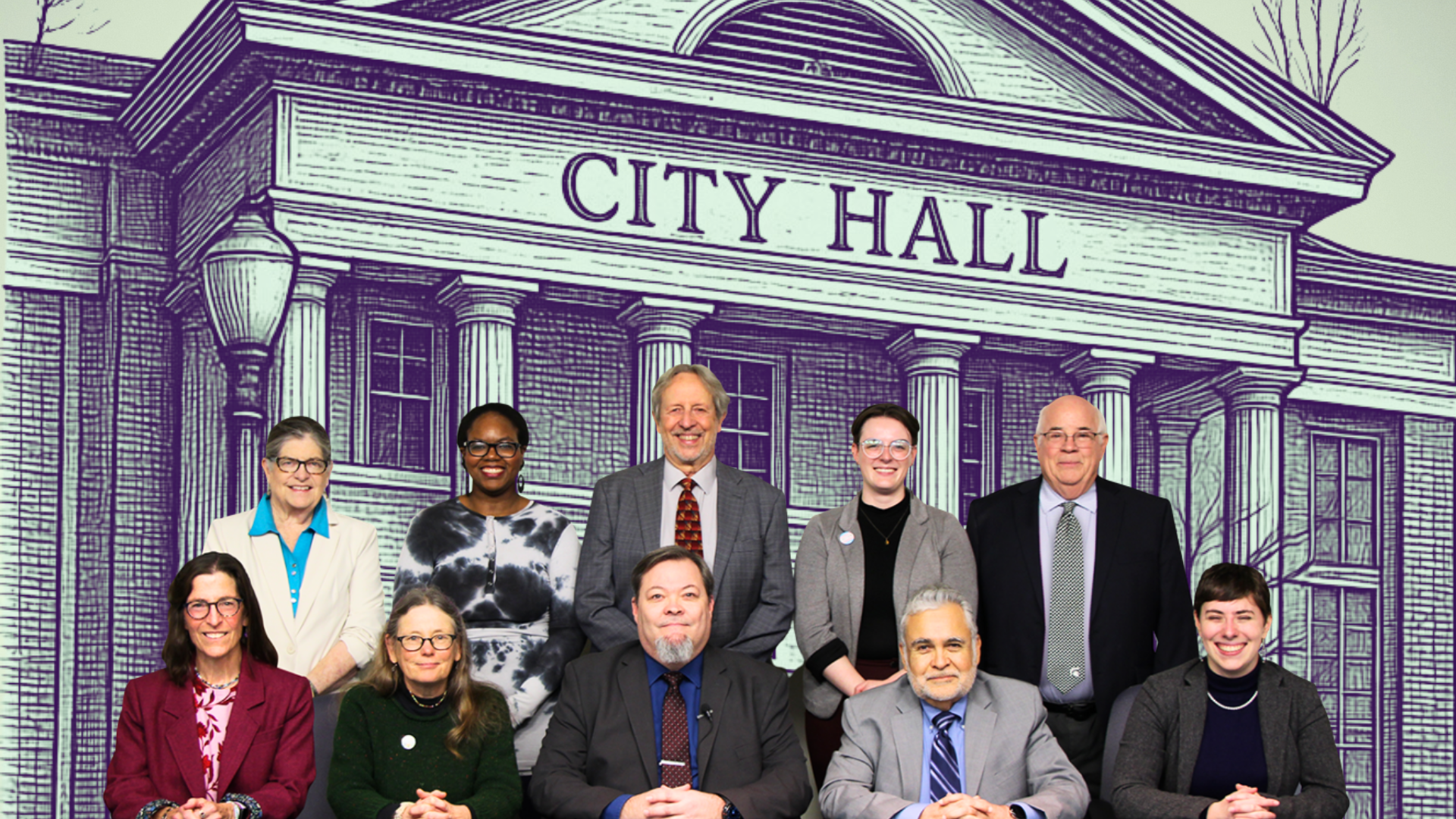
Ward 9 Councilor Tony Cadena proposed the resolution, Ward 8 Councilor Carolyn Mayers seconded. Councilors Lewis, Napack and Morefield joined them. Voting against were Councilors Shaffer, Ellis and Bowden. Ward 4 Councilor Ava Olson was absent.
Could the Councilors undo the resolution before their terms expire at the end of the year; sure, but the scuttlebutt is, that’s not going to happen.
Background
Back on May 26, City Finance Director James Inglis laid out the budget conundrum the City finds itself in. His report detailed that the City’s revenues only grow at about 6.4% each biennium while recurring expenses grow at 10.3%, creating a compounding gap in the General Fund that’s projected to hit $8.1 million for the 2027-29 biennium.
On top of that, most of the City’s top officials believe it’s past time to replace the city hall and police station. When the City moved into the present city hall in 1956, Corvallis’ population was somewhere in the range of 16,000 to 20,000. Today, Corvallis has about 62,000 residents, that’s roughly three times the population.
The police station is considerably newer but still aging out. It was built in the mid-1970s as a shared facility with the Benton County Sheriff’s Office. At that time, Corvallis’ population was approximately 37,000 to 40,000. Today’s city is roughly 65% larger than the one the building was designed to serve, and officials describe it as “functionally obsolete.” There have been reports of the basement flooding, which is a space that is used for emergency operations and evidence storage.
In another report, City Manager Mark Shepard, breaking it down by specific project, says the city hall that currently houses city administrative functions has been assessed to need a 60% increase in square footage. The Law Enforcement Building is in worse shape, with the assessment recommending a 115% increase in area to meet current public safety staffing, storage, operations, and training needs.
Last December, the estimate to replace both buildings stood at about $211 million, but construction costs continue to rise. Issuing bonds to pay for the projects would add about $32 million to Corvallis’ biennial budget. That’s on top of the $8.1 operating deficit, which apparently doesn’t account for however the City’s labor dispute with AFSCME might ultimately turn out. The City is offering the union $7.8 million in wage hikes over three years, AFSCME is demanding $8.5 million.
And yes, you read that right, the dispute between the City and AFSCME amounts to $700,000 over a three-year period. We haven’t independently verified the Union or City’s numbers. A strike could start as early as October 9, but moving right along, back to the deficit and facilities, and maybe, taxes.
Taxing decisions
The City has been bridging its financial gaps with a combination of service fees and livability levies for years. Strictly speaking, these revenue approaches could still be made to make ends meet, but realistically speaking, not so much.
The fees are increasingly unpopular with the public, and they are a highly regressive tax, disproportionately hurting lower income earners. As to the levies, they are subject to voter approval, and asking taxpayers for too large a hike could mean a no vote – and these taxes are also somewhat regressive. As stands, neither of these revenues streams is keeping pace with inflation or the city’s growth.
So. Here we are with a Council that may or may not agree about budget cuts and buildings. But they seem to universally agree that implementing local payroll and income taxes could make sense. And they largely agree that there needs to be at least some public buy-in. Hence, four City run town halls slated over the next four weeks.
September 23: 6 – 7:30 pm at the Walnut Community Room, 4950 NW Fair Oaks Dr.
September 29: 6– 7:30 pm at C3’s Chandler Ballroom, 2601 NW Tyler Ave.
October 6: 6 – 7:30 pm at the Library Main Meeting Room, 645 NW Monroe Ave.
October 13: 6 – 7:30 pm at the Tunison Community Room, 365 SW Tunison Ave.
Context
This is our analysis. Public sentiment that local government could better separate wants from needs and spend accordingly has started to surface among Corvallis’ city councilors, but the inertia toward a combination of business as usual and buildings envisioned is difficult for an elected to overcome.
We keep thinking someone will suggest an external audit aimed at sussing wants versus needs, but that would take time, and like we just said, inertia is a thing. Last night’s vote did however signal a willingness to slowdown, and the next Council may have other ideas.
In any event, the City of Corvallis was always going to need to examine how it taxes.
Oregon voters capped property tax increases at 3% annually, so unsurprisingly, those revenues are not keeping pace with inflation, which is frustrating to local governments when they’re trying to make ends meet.
But property taxes are somewhat regressive, disproportionately impacting folks of lesser means. Also, unlike other taxes, spiking these rates can displace folks from a home, sometimes when they may be experiencing setbacks that would be otherwise temporary, like a job loss. Likewise, property tax spikes can have long-term consequences for people that become permanently disabled or grow elderly; folks that may benefit from staying in place. But if you’re going to have these caps, and you’re a municipal budgeter, then what.
The idea of local payroll and income taxes could make sense. These are generally less regressive than other forms of taxation. Payroll and income taxes can be tiered. Income taxes can have a floor, like maybe there’s no tax on earnings under $100,000.
To the degree the public engages, Corvallis could come out of its current budget crunch with a fairer and less regressive way of taxing. But that fairness will be in the specifics that remain to be seen. For instance, to what degree would the new taxes ameliorate the regressive fee and levy rates. Will the new taxes have floors and tiers indexed to inflation, and so forth.
But the state of the conversation has been shifting.
Council does ultimately have the authority to approve the new taxes without a public vote. The Mayor and some of the Councilors seem to think they should maybe do that, others not, and a new Council will be seated in January. Voters will want definitive answers and possibly promises from the crop of candidates seeking seats for next year.
But perceptions may be more nuanced than that. Would the general public accept, maybe begrudgingly, the Council authorizing new taxes that permanently lower fees and bridge the structural budget gap. Maybe or maybe not. It may depend on the City demonstrating they’re cutting some fat, and let’s admit, there’s at least some. We don’t think a little fat is the worst thing, but this may not be the time for it.
Likewise, given the current economic uncertainties and anxieties, this may not be the time to discuss new buildings. New construction will be perceived quite differently than simply working to maintain current services. Approving added taxes at this time for new buildings without first going to the voters would almost certainly fundamentally and irreparably damage the City’s relationship with the public.
So, what’s next. Well, the town halls and a coming election. So, time will tell, and we’ll keep you posted.
To read the reports from Inglis and Shepard, click here.
By Steven J. Schultz and Mike Suarez
Do you have a story for The Advocate? Email editor@corvallisadvocate.com