

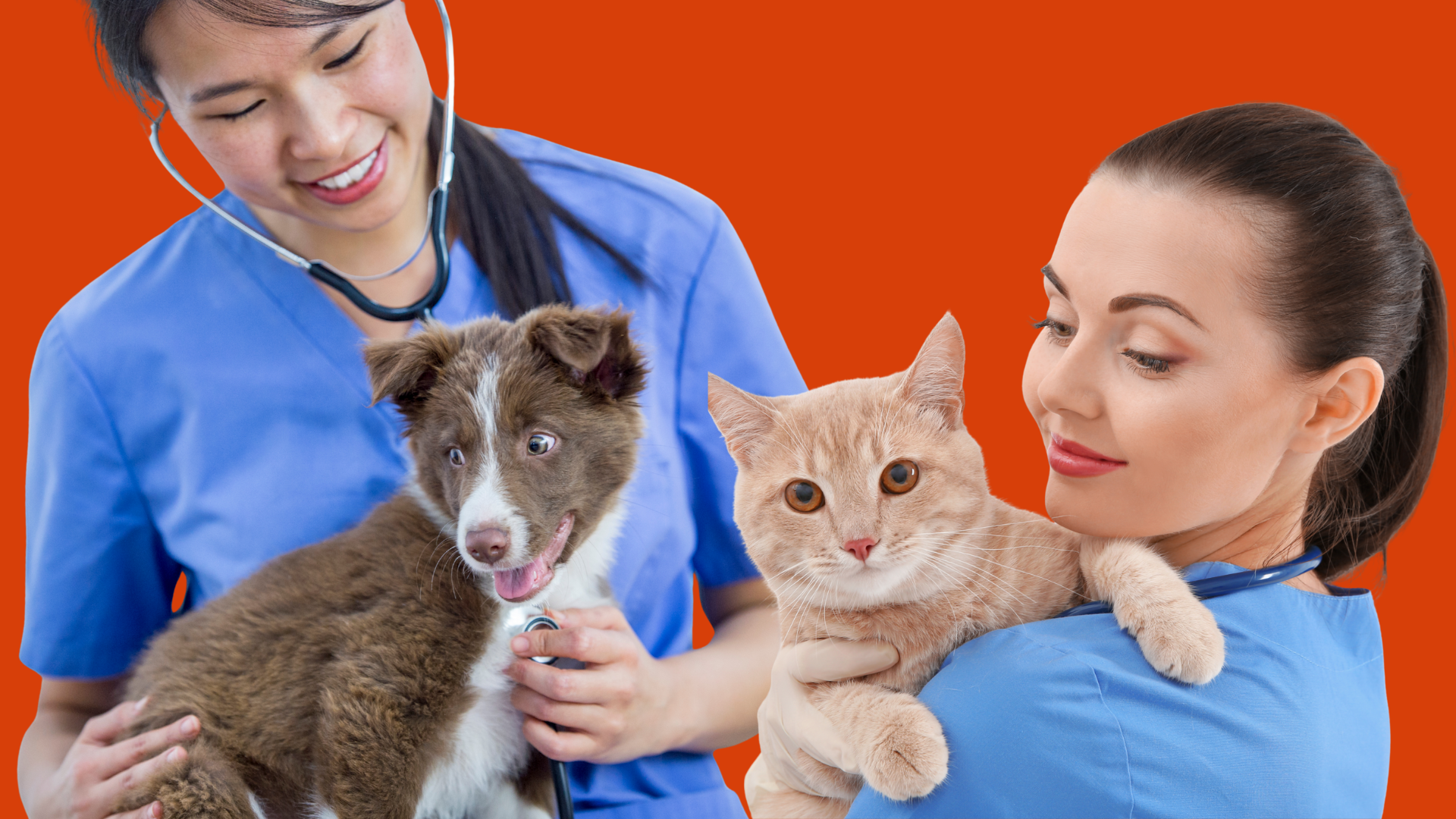
 For cats and dogs in crisis, Oregon State University’s Lois Bates Acheson Veterinary Teaching Hospital is now offering 24/7 emergency veterinary care for walk-ins and referrals.
The small animal emergency service will provide another local option for pet owners in Oregon, give OSU veterinary students more opportunities to develop their emergency care skills and expedite patient transitions to other OSU veterinary specialists as needed, says Dr. Pia Martiny, who heads the small animal emergency service.
“Emergency service is necessary for us as a fully functioning, multispecialty hospital because of the type of cases it brings in for trainees and the cases that come in with a need for long-term care,” said Martiny, who is also an assistant professor of clinical sciences in OSU’s Carlson College of Veterinary Medicine.

The small animal service is only for cats and dogs. Martiny recommends that more exotic animals such as birds, reptiles and rabbits see veterinarians who specialize in those species. (OSU already provides 24/7 emergency veterinary services for large animals such as cows and horses.)
The veterinary hospital soft-launched small animal emergency services on a case-by-case basis about a year ago and has been steadily building capacity since then. Staffing varies by shift, but the ER has one to two receiving doctors, up to four final-year veterinary students and up to three certified veterinary nurses each day.
As Corvallis is the closest stop for many pet owners coming from the Oregon Coast, as well as for residents of the mid-Willamette Valley, it’s easy for other veterinary clinics to hit capacity, Martiny said.
“If you’re going to an ER with an emergent need, you always want them to have availability,” she said. “We work very closely with all our referral hospitals, and we get referrals from a several-hour radius, including people from Washington who come down to OSU.”
OSU’s emergency service also hits maximum capacity depending on the volume of cases in the hospital that day, so pet owners are advised to call ahead before bringing a pet in. They can discuss their pet’s emergency over the phone with a veterinary student, who consults with an emergency doctor and can then recommend next steps. Contact the emergency service reception desk at SA.Reception@oregonstate.edu or 541-737-4812.
With specialty departments in anesthesiology, cardiology, internal medicine, neurology, oncology, surgery and others, OSU’s veterinary hospital can smoothly transition patients from the ER to more long-term care should further issues pop up during an emergency visit, Martiny said.
Not every pet emergency necessitates multiple board-certified specialists, but for complex cases involving pre-existing diseases or highly unstable medical status, OSU offers a number of specialties all working collaboratively and in close proximity.
Student demand has been a major driver in expanding the small animal ER service, Martiny said.
“Emergency cases historically are very scary cases for students,” she said. “It’s all well and good to have a couple of days or weeks to research your case, but in emergency cases, sometimes you have minutes to make life-changing decisions. And that’s really hard to do if you don’t have training and mentorship in it.”
Many students at OSU are planning to become emergency veterinarians, but even for those who plan to go into other specialties, emergency cases will be a part of their careers and they need to be prepared for it, Martiny said.
Fourth-year students completing their emergency medicine rotation perform the initial triage exams when patients arrive at the hospital to determine their level of stability. Students also collect patient histories from pet owners and conduct a preliminary physical exam. Then while the doctor assesses the patient and confers with the owner, the students spend about 15 minutes thinking about the case on their own, before regrouping with the doctor and working together on a course of action.
In addition to technical medical expertise and decision-making, students are also gaining valuable experience in the human side of veterinary care: dealing with owners in varying states of distress.
“Learning how to honor and understand an owner’s perspective as a nonmedical collaborator, and then integrating that with referral records, and being able to communicate in a way that owners can understand is definitely a skill set that takes a long time to develop, and can be really hard,” Martiny said. “It’s a great opportunity for students to watch experienced veterinarians talk to owners and start to have some of those difficult conversations themselves and learn what is effective.”
By Molly Rosbach
Do you have a story for The Advocate? Email editor@corvallisadvocate.com