

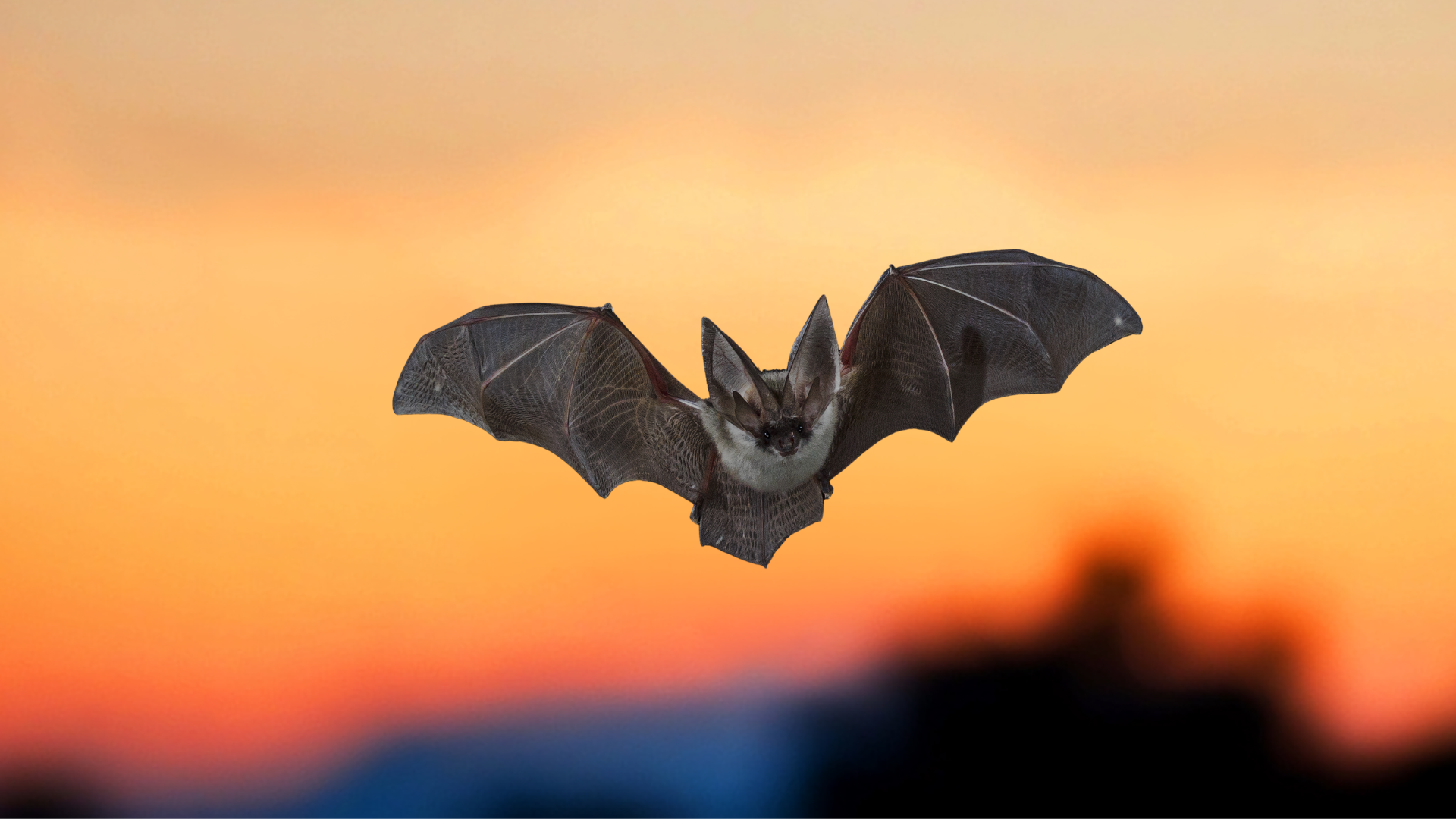
 Public health officials from the State of Oregon and the Benton County Health Department have confirmed that a local bat has tested positive for rabies. This is the first positive bat for rabies in Benton County in 2026.
On June 15, Benton County’s Environmental Health program learned that a resident found a bat, which may have had contact with their domestic animals, on their property in Benton County. The resident brought the bat to the Oregon State Veterinary Diagnostic Laboratory for testing. On June 17, the bat was confirmed positive for the rabies virus.
“Rabies is present in the bat population and bats are the primary reservoir of rabies in wild animals for our area of the country. Direct hand contact with bats should always be avoided,” said Robert Baker of Benton County Environmental Health.
Staying Safe Around Bats
Bats play an important role in our ecosystem and are especially helpful to humans by eating a lot of insects considered pests. While most bats do not have rabies and people cannot get rabies from just seeing a bat or having contact with bat guano, which is bat feces, it is important not to take unnecessary risk.
Infected bats can pass the rabies disease to humans and other animals by biting or scratching, or through saliva contact with eyes, nose, mouth or an open wound.
So, avoid direct contact with bats whenever possible. If you must handle a bat, use sturdy gloves or a tool, like a shovel. Also, Benton County Environmental Health reminds to make sure your pets are vaccinated against rabies.
A word about rabies
Officials put out a release with just a few reminders about rabies. Like, that it’s a viral disease that is preventable, but deadly if people don’t receive medical care before symptoms start. Rabies spreads primarily through bites or scratches from an infected animal.
Rabies symptoms in animals can include lethargy, walking in circles, and loss of muscular coordination, convulsions, irritability, aggressiveness, disorientation, excessive drooling and showing no fear of humans. Animals displaying these behaviors should not be approached or handled.
For more information about bats and rabies, visit Benton County’s animal bites webpage, OHA’s rabies webpage, and the Centers for Disease Control’s (CDC) rabies webpage.
Contact Benton County Environmental Health at 541-766-6835 whenever there has been human or pet contact with bats or any animal that appears to be sick, injured or has bitten a human or pet. And, you know, please do that within 24 hours. Officials also say that if you can, try to safely capture any bat that has bitten or scratched you or a pet so they can have it tested for rabies.
To contact Hallie Greenberg about this story, email office@corvallisadvocate.com
Do you have a story for The Advocate? Email editor@corvallisadvocate.com