

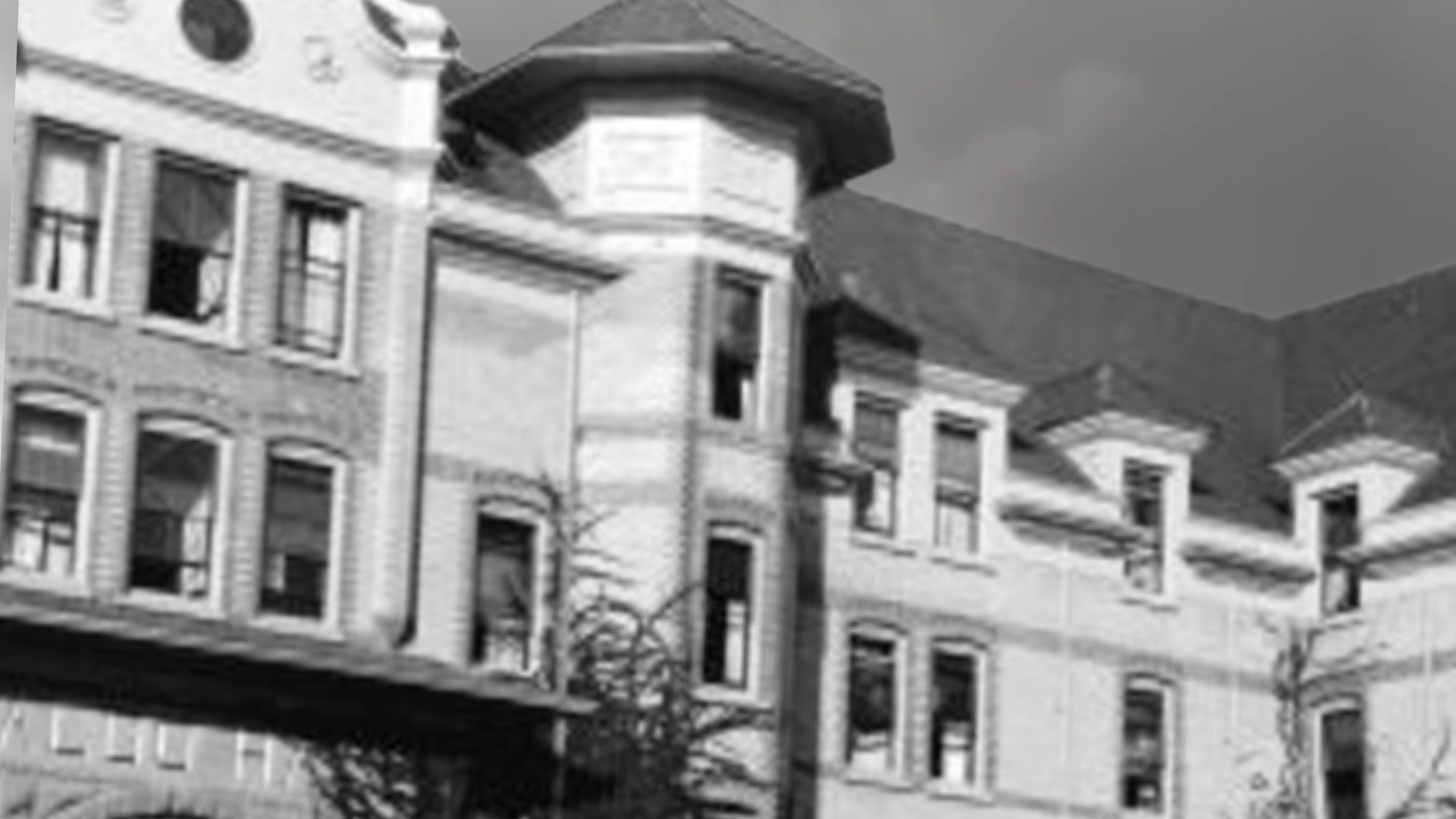
 Does an unearthly presence walk the floors of Waldo Hall? Does the former women’s dormitory house previous tenants who can never leave? Or is it simply a combination of urban legends and the quirks of a 116-year-old building that give it that uncanny feeling? For decades, students and faculty have asked these questions.
Amas Aduviri, director of the College Assistance Migrant Program (CAMP), has had the same office on the third floor of Waldo Hall since 2005. During the early part of his career, he traveled frequently. He always carried pamphlets with him, but one night around 2009, as he was packing for an early morning flight to Washington, D.C., he realized he’d forgotten to grab some.
When he got to the office, it was around midnight on a Saturday night. Campus was very quiet. Because Aduviri had heard plenty of stories about Waldo’s supernatural reputation, he was nervous going into the building so late. “My heart was racing,” he recalled. “I tried to go as fast as I could to get to my office.”
When he reached the third floor, he found lights off. As he reached for the switch, he saw a white figure with something draped over its body hovering by the staircase down the hall. It whooshed silently up the stairs toward the fourth floor. He said he felt the rush of air as it disappeared.
“I could feel the swish,” he said. “That freaked me out.”
Terrified, Aduviri rushed to his office, grabbed a stack of pamphlets and ran. He did not look back.
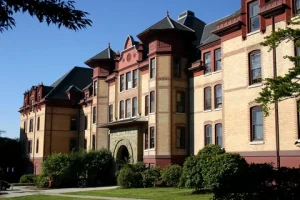
Waldo Hall opened in 1907 as a women’s dormitory. It is an imposing Richardson Romanesque-style building, the first on campus with indoor plumbing. Funny, since the second-floor women’s bathroom is said to have some of the most supernatural activity, with reports of creepy feelings, singing and full-bodied apparitions.
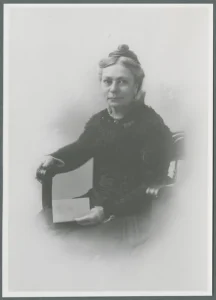
For 60 years , Waldo housed generations of young women and was home to many notable female faculty members, including the university’s first librarian, Ida Kidder. (She becomes important to this story later.)
By the mid 1960s, severe neglect left the building at risk of being condemned, and for the safety of students, the dorms were emptied and the first three floors converted into office and classroom space. The fourth floor was sealed off.
There’s something about an abandoned space that lends itself to stories, and to ghosts. People began to report seeing figures in the upper-story windows. Footsteps, the clicking of high heels, and the sound of furniture being moved around were all reported by those working below. Had specters made themselves at home or were graduate students sneaking onto the dusty floor for some private time?
Several witnesses claimed to see a woman in 1920s-era attire wandering the building. Soon people began to wonder if this could be Ida Kidder, who had lived in Waldo during the turn of the 20th century. Tiah Edmunson-Morton is an archivist at OSU Special Collections and Archives, and previously offered a ghost tour around campus that included Waldo Hall lore. She said long-term building residents have passed down stories for years. “These definitely are good stories even if the facts behind them are a little shaky,” she said.
As to why Ida Kidder ended up being the figure most associated with the haunting, she speculates it was easy to cast her as a friendly ghost. “The mythology round her really solidified as maternal, caretaker, etc., and that made her an attractive, benevolent ghost,” she said. “Because while people like to be scared, they also like to be comforted.”
In 2010, after the infusion of stimulus money from the state, Waldo’s fourth floor was renovated and reopened as new office space. The conveniently creepy and dusty spot is now bright and lively once more. Aduviri, who saw the apparition before the remodel took place, says he hasn’t seen anything since. But, he adds, he also has made a point never again to visit the office late at night.
Do you have a story for The Advocate? Email editor@corvallisadvocate.com